

Sustainable Development Goals (SDGs) and Environmental, Social, and Governance (ESG) are two closely related concepts that aim to promote sustainability and responsible business practices. In this post, we will explore what these concepts are, how they differ, and how they complement each other.
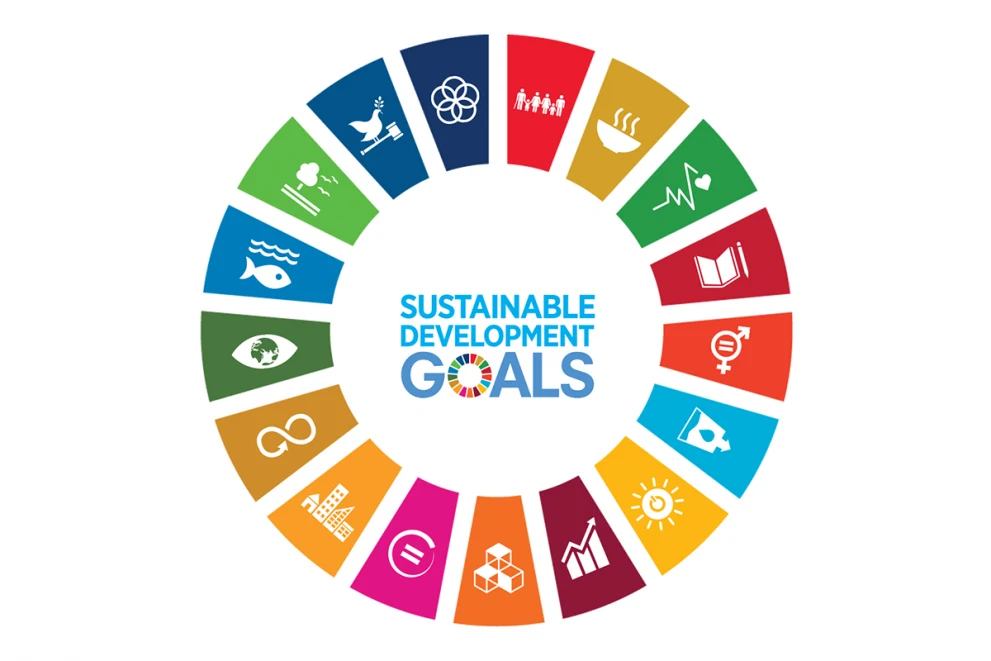
SDGs are a set of 17 global goals set by the United Nations in 2015 as part of the 2030 Agenda for Sustainable Development. These goals seek to eradicate poverty, safeguard the environment, and ensure worldwide peace and prosperity. The SDGs are designed to provide a road map for sustainable development that takes economic, social, and environmental concerns into account.
On the other side, ESG is a set of three standards used to assess a company’s sustainability and societal impact before investing in it. ESG investing takes into account a company’s management of its environmental impact, employee treatment, and internal governance. Investors use ESG data to evaluate a company’s long-term prospects and to find businesses that are more likely to be ethical and sustainable.
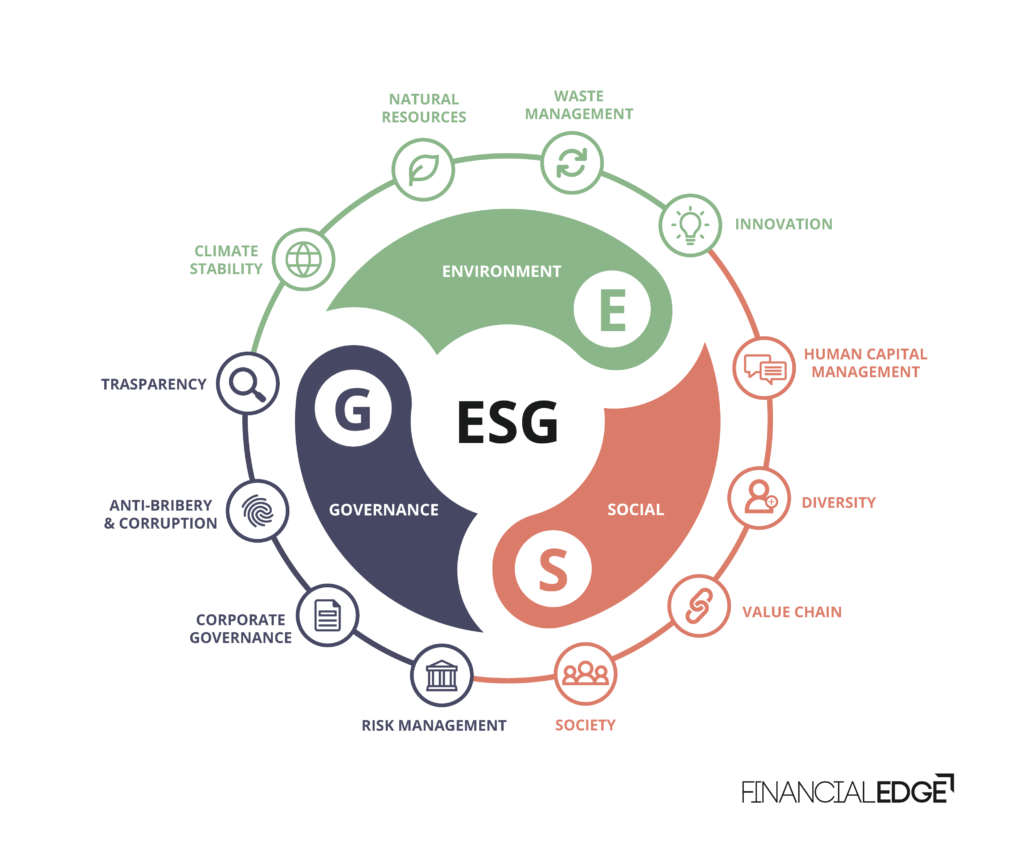
However! while SDGs and ESG may seem similar, they differ in their scope and focus. The SDGs are broader in nature, encompassing 17 interrelated goals, while ESG focuses on three specific criteria. Furthermore, the SDGs are a global commitment, while ESG is used primarily by investors.
Despite these differences, the SDGs and ESG are complementary in many ways. Both concepts encourage companies to act responsibly and sustainably, and both seek to promote a better future for all. Companies that adopt sustainable practices and meet ESG standards are likely to contribute to the achievement of the SDGs, and vice versa.
In conclusion, the SDGs and ESG are two important concepts that aim to promote sustainability and responsible business practices. While they have different scopes and focuses, they complement each other and contribute to a common goal of a better future for all. Companies that adopt sustainable practices and meet ESG standards are likely to be more successful in the long-term, and to contribute to a more sustainable future for everyone.